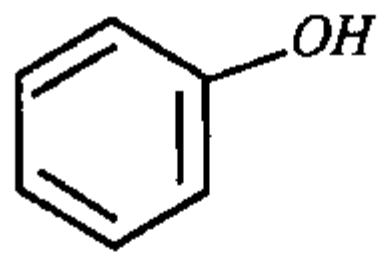
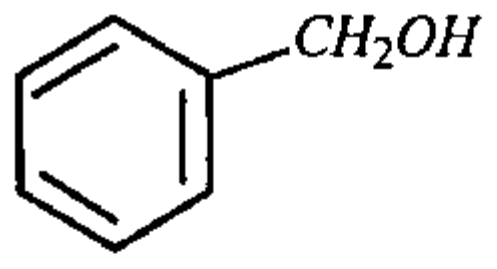
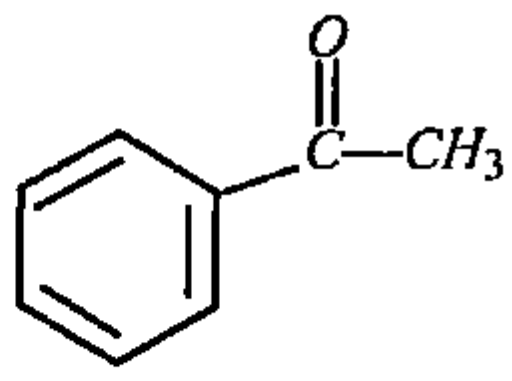
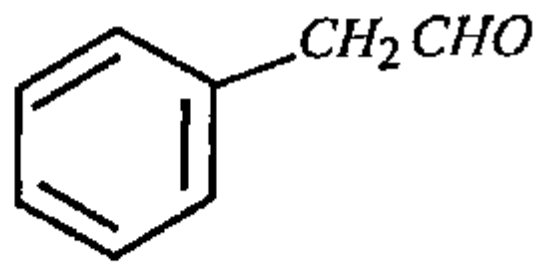
What we are solvingThree pairs of aromatic compounds; for each, name one reagent and state what each compound shows
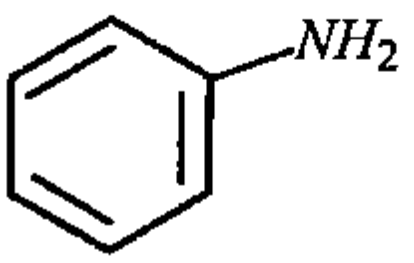
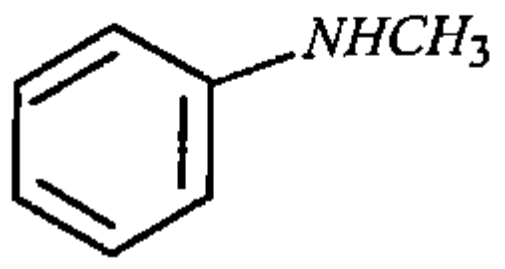
(a) phenol and phenylmethanol; (b) phenylethanone and phenylethanal; (c) phenylamine and N-methylphenylamine
Chapter: Organic chemistry
Topic: distinguishing tests for phenols, carbonyl compounds and amines
Concept and formulasPhenols give a violet colour with neutral iron(III) chloride; alcohols do not
Aldehydes reduce Tollens' reagent; ketones do not
A primary aromatic amine forms a diazonium salt with nitrous acid at 0–5 °C, which couples with alkaline phenol to give a dye; a secondary amine gives a yellow oily N-nitrosamine
Working(a) (3 marks)Reagent: neutral iron(III) chloride solution
Observations:phenol: a violet (purple) colouration
phenylmethanol: no violet colour (the yellow-brown solution remains)
(Bromine water also works: phenol gives a white precipitate and decolourises it; phenylmethanol does not)
(b) (3 marks)Reagent: Tollens' reagent (ammoniacal silver nitrate), warm
Observations:phenylethanone (ketone): no observable change
phenylethanal (aldehyde): a silver mirror (black/grey deposit of silver)
(Iodine in sodium hydroxide also works: phenylethanone gives a yellow precipitate; phenylethanal does not)
(c) (3 marks)Reagent: sodium nitrite and dilute hydrochloric acid at 0–5 °C, followed by phenol in sodium hydroxide solution
Observations:phenylamine: no gas, and an orange (red) precipitate/dye forms with alkaline phenol
N-methylphenylamine: a yellow oily liquid (N-nitrosamine) forms; no dye with alkaline phenol
Answer: (a) neutral
FeCl3: phenol violet, phenylmethanol no violet (b) Tollens' reagent: phenylethanal silver mirror, phenylethanone no change (c)
NaNO2/HCl at 0–5 °C then alkaline phenol: phenylamine orange dye, N-methylphenylamine yellow oil
Tip: Give an observation for both compounds: "no change" for one member earns its mark