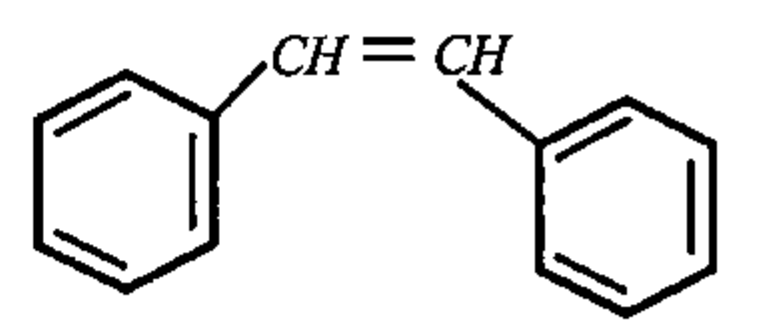
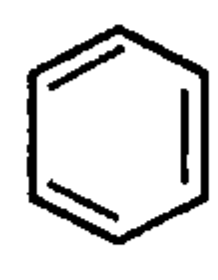
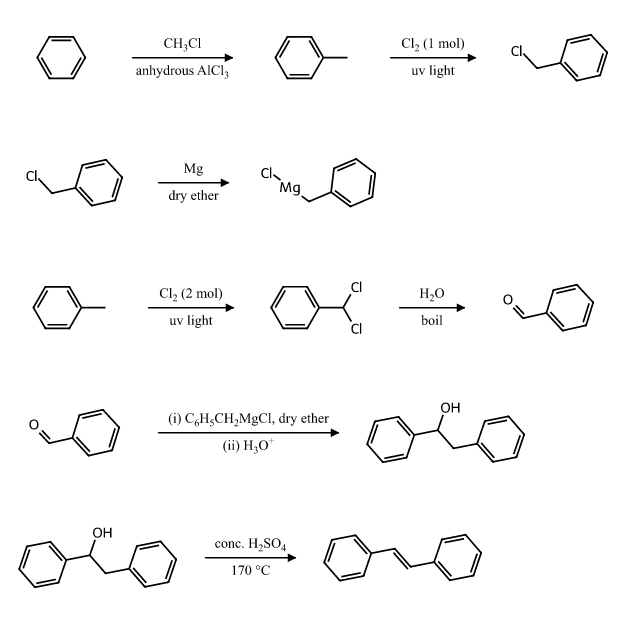
What we are solvingWe write the reactions, with reagents and conditions, for five conversions:(a) ethene to methane; (b) methanol to ethylamine; (c) benzene to 1,2-diphenylethene (stilbene); (d) propene to butanoic acid; (e) benzene to N-phenylethanamideChapter: Organic chemistryTopic: organic synthesis (ascending and descending the series, aromatic substitution, Grignard reagents)(a)(03 marks)Methane has one carbon fewer, so make ethanoic acid and remove CO2 (decarboxylation):CH2=CH2+H2OH3PO4,300∘C,60atmCH3CH2OHCH3CH2OHK2Cr2O7/H+,refluxCH3COOHCH3COOH+NaOH(aq)→CH3COONa+H2OCH3COONa+NaOHsoda lime, heatCH4+Na2CO3(b)(05 marks)One carbon must be added: go through the nitrile, then reduce itCH3OHred P / I2,warmCH3I(or PCl5 at room temperature to give CH3Cl)CH3I+KCNethanol, refluxCH3CN+KICH3CN+4[H]LiAlH4in dry etherCH3CH2NH2(or reduce with sodium in ethanol, or hydrogen over nickel)(c)(04 marks)Make toluene, turn it into benzyl magnesium chloride and benzaldehyde, join them with a Grignard reaction and dehydrate the alcoholC6H6+CH3Clanhydrous AlCl3C6H5CH3+HClC6H5CH3+Cl2uv lightC6H5CH2Cl+HClC6H5CH2Cl+Mgdry etherC6H5CH2MgClC6H5CH3+2Cl2uv lightC6H5CHCl2+2HCl;C6H5CHCl2+H2OboilC6H5CHO+2HClC6H5CHO+C6H5CH2MgCl(i) dry ether (ii) H3O+C6H5CH(OH)CH2C6H5C6H5CH(OH)CH2C6H5conc. H2SO4,170∘CC6H5CH=CHC6H5+H2O
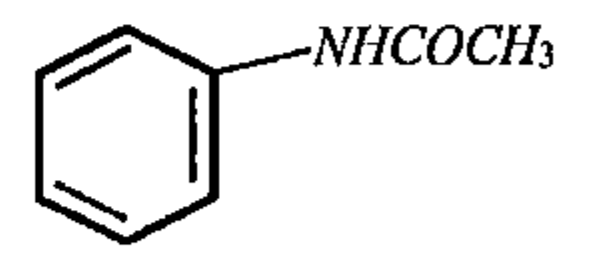
(d)(4½ marks)Butanoic acid has one carbon more; add HBr against Markovnikov's rule (peroxide) so that Br goes on the end carbon, then use the nitrileCH3CH=CH2+HBrorganic peroxideCH3CH2CH2BrCH3CH2CH2Br+KCNethanol, refluxCH3CH2CH2CN+KBrCH3CH2CH2CN+2H2O+H+dilute H2SO4,refluxCH3CH2CH2COOH+NH4+(e)(3½ marks)Nitrate benzene, reduce to phenylamine, then acylate the amino groupC6H6+HNO3conc. H2SO4,below55∘CC6H5NO2+H2OC6H5NO2+6[H]Sn / conc. HCl, reflux; then NaOHC6H5NH2+2H2OC6H5NH2+CH3COClroom temperatureC6H5NHCOCH3+HCl(ethanoic anhydride, warm, may be used instead of ethanoyl chloride)Answer: (a) via ethanol, ethanoic acid, sodium ethanoate and soda lime; (b) CH3I, CH3CN, LiAlH4; (c) toluene, Grignard with benzaldehyde, dehydration; (d) HBr/peroxide, KCN, acid hydrolysis; (e) nitration, Sn/HCl, CH3COClTip: Count the carbons first: one more carbon means KCN (or a Grignard), one fewer means decarboxylation (soda lime).