What we are solvingApple seeds were given a cold treatment and then kept at 25 °C to germinate
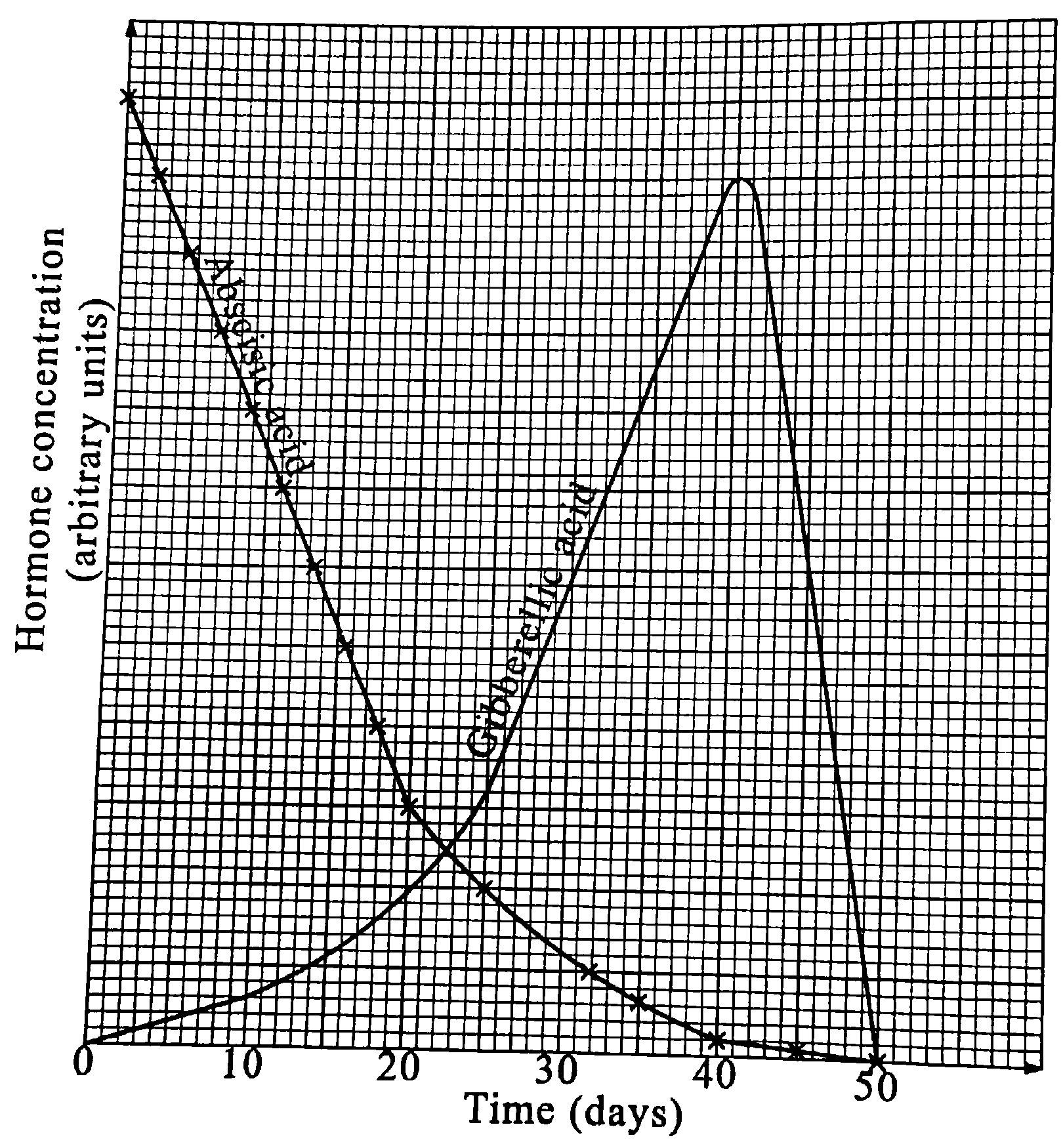
Fig. 1 shows abscisic acid (ABA) and gibberellic acid (GA) in the seeds over 50 days
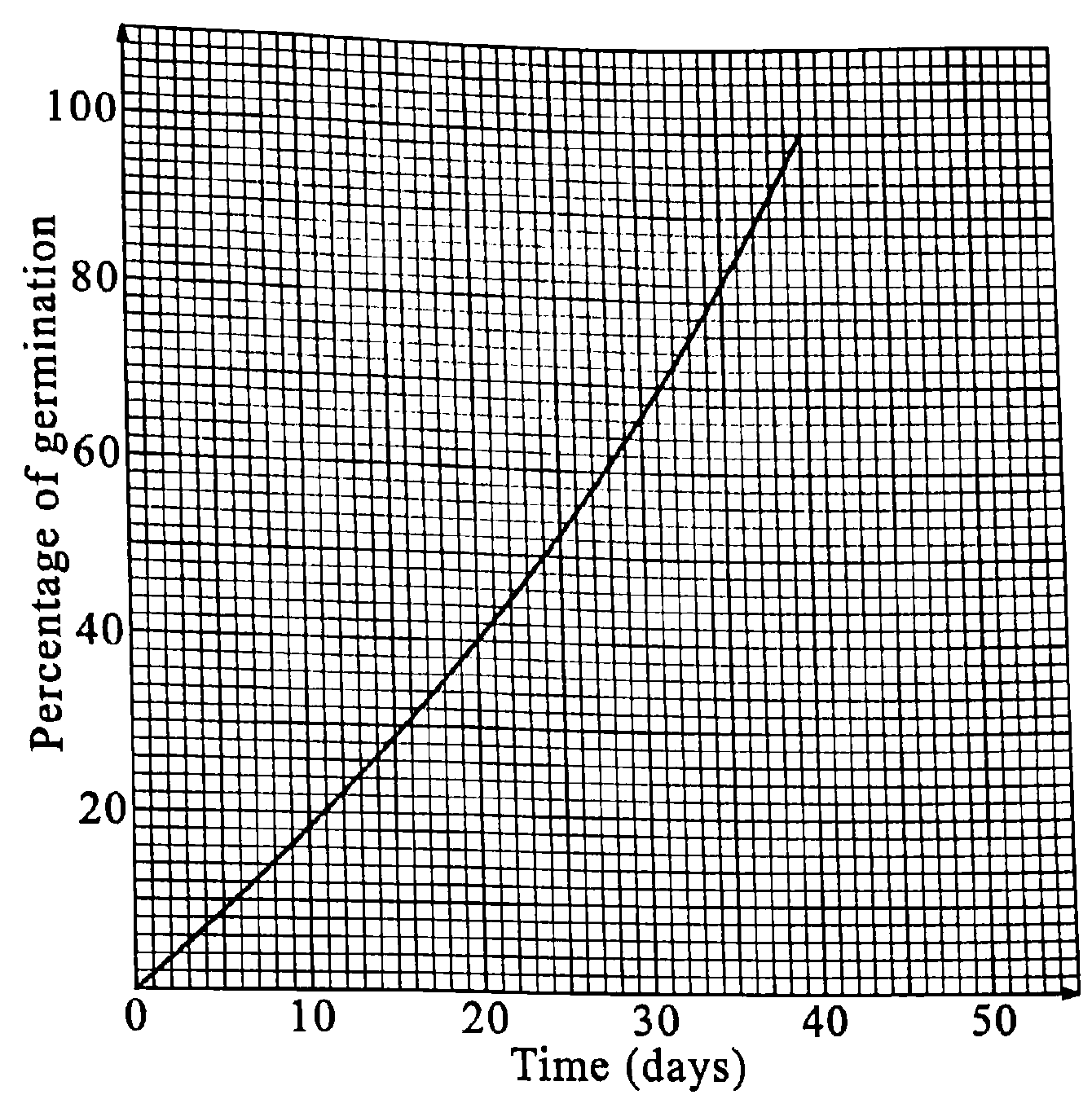
Fig. 2 shows the percentage of seeds that germinated over the same days
We must describe and explain both curves, link them to germination, and answer questions on cold treatment, dormancy and uses of plant hormones
Chapter: Growth and development (plant growth regulators)
Topic: hormonal control of seed dormancy and germination
Concept and formulasAbscisic acid is a growth
inhibitor: it keeps the seed dormant
Gibberellic acid is a growth
promoter: it breaks dormancy and switches on germination
GA makes the aleurone layer produce hydrolytic enzymes such as α-amylase and proteases
These enzymes digest stored starch and protein into sugars and amino acids for the growing embryo
Germination depends on the balance between the two: low ABA and high GA favour germination
Cold treatment (stratification) lowers ABA and raises GA in many temperate seeds such as apple
Working(a)(i) (3 marks)At the start ABA concentration is at its highest
From the start to about day 20 it decreases rapidly (steeply)
From day 20 to day 40 it decreases gradually (more slowly)
From day 40 to day 50 it decreases very slowly and reaches zero at day 50
(a)(ii) (5 marks)At day 0 GA concentration is zero (very low)
From day 0 to about day 10 it increases slowly
From day 10 to about day 25 it increases at a faster, rising rate
From day 25 to about day 41 it increases rapidly (steeply)
It reaches a peak (maximum) at about day 41 to 42
After the peak it decreases very rapidly and reaches zero at day 50
GA rises above ABA at about day 23, where the two curves cross
(b)(i) (5 marks)ABA is high at first because it was built up in the seed to keep it dormant
The cold treatment activates enzymes that break down (oxidise) ABA, so ABA falls rapidly
On imbibition, water leaches ABA out of the seed coat and dilutes it in the swelling seed
ABA is also converted to inactive (conjugated) forms, and less new ABA is made
The rising GA counteracts ABA and suppresses its synthesis, so the fall continues
After day 20 little ABA is left to break down, so the decrease becomes gradual
By day 50 germination is complete and no inhibitor is needed, so ABA reaches zero
(b)(ii) (5 marks)GA is low at first because the dormant embryo is inactive and ABA inhibits GA synthesis
The cold treatment and imbibition activate the embryo, which starts making GA
The increase is slow while ABA is still high, then faster as ABA falls
From day 25 to day 41 GA rises rapidly as the growing embryo (plumule and radicle) makes more GA
This GA makes the aleurone layer secrete α-amylase and proteases to mobilise food stores
GA peaks at about day 41 when germination is nearly complete
It then falls rapidly: the seedling is established and photosynthesising, food stores are used up, and GA is broken down, converted to inactive forms or moved out of the seed
(c)(i) (5 marks)The relationship is inverse: as ABA concentration falls, the percentage germination rises
At the start, ABA is highest and germination is about 0%
ABA inhibits the synthesis of hydrolytic enzymes and keeps the embryo from growing, so few seeds germinate
As ABA falls rapidly (day 0 to 20), germination rises to about 40%, because the inhibition is being removed
When ABA is low (day 20 to 40), germination rises fastest, from about 40% to about 95%
So germination increases as the inhibitor is removed
(c)(ii) (5 marks)The relationship is direct: as GA concentration rises, the percentage germination rises
From day 0 to 10, GA is low and rising slowly; germination is low (about 0% to 18%)
From day 25 to 41, GA rises rapidly; germination rises rapidly to about 95% by day 38 to 40
GA stimulates the aleurone layer to make α-amylase, which hydrolyses starch to maltose and glucose
These sugars give the embryo energy (respiration) and materials for growth; GA also causes cell elongation in the radicle and plumule
GA peaks when germination is almost complete (about day 40); after that it is no longer needed and falls
(d) (3 marks)Cold treatment (stratification) breaks seed dormancy
It lowers the ABA (inhibitor) level and raises the GA (promoter) level, as Fig. 1 shows
In nature it makes sure that seeds germinate only after winter, in spring, when conditions favour seedling survival
It also makes germination quicker and more uniform, which farmers use to get an even crop
(e) (4 marks)The testa (seed coat) may be hard and impermeable, so water and oxygen cannot enter
The testa may be too tough for the embryo to burst through (mechanical resistance)
The seed may contain high levels of growth inhibitors such as abscisic acid
Growth promoters such as gibberellins may be absent or too low
The embryo may be immature and need a period of after-ripening
The seed may need a special trigger first, such as cold (stratification) or light acting through phytochrome
(f) (2 marks)Dormancy stops the seed germinating at once, when the following season may be unfavourable (for example a dry season or winter)
It spreads germination over time and space, reduces competition with the parent plant, and lets seeds survive in a seed bank until conditions are suitable
(g) (3 marks)Auxins (e.g. NAA, IBA) are used as rooting powders on cuttings
Synthetic auxins such as 2,4-D are used as selective weedkillers against broad-leaved weeds in cereal crops
Gibberellins produce seedless fruits (e.g. grapes), lengthen sugarcane stems and are used in malting barley for brewing
Ethylene (ethephon) is used to ripen fruits such as bananas and tomatoes evenly
Cytokinins delay ageing (senescence) of cut flowers and leafy vegetables
Answer: ABA falls rapidly then slowly to zero; GA rises slowly then rapidly to a peak at about day 41 then falls to zero. ABA is inversely, and GA directly, related to germination. Cold treatment breaks dormancy by lowering ABA and raising GA.
Tip: For "describe" give the trend with days and turning points; for "explain" give the biological reason for each trend.